
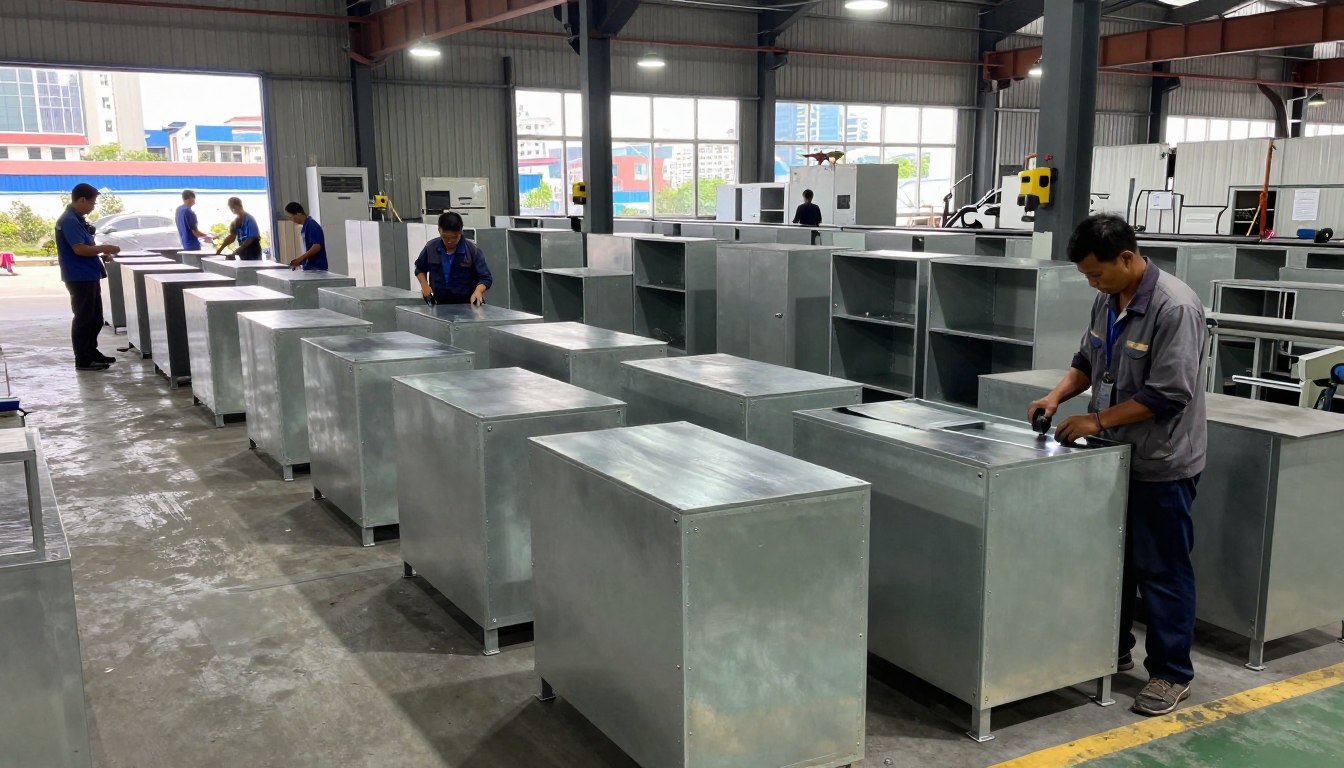
Vietnam is rapidly emerging as a premier destination for high-quality industrial fabrication. Businesses across the globe are increasingly turning to Vietnam manufacturing to secure reliable, precision-engineered components for their technical projects.
By leveraging local expertise, companies can achieve a perfect balance of high precision and cost-effectiveness. This unique advantage is difficult to replicate in other regions, making the country a strategic partner for modern supply chains.
Many firms now rely on this region to develop custom metal housing that meets rigorous international standards. As the industrial sector grows, the production of sheet metal enclosures and cabinets has become a cornerstone of regional development, offering scalable solutions for diverse technical needs.
Key Takeaways
- Vietnam offers a competitive edge through high-precision fabrication and cost-efficiency.
- Global businesses are shifting production to the region for better supply chain reliability.
- Local expertise ensures that custom housing meets strict international quality benchmarks.
- The regional industrial sector is expanding to support complex technical requirements.
- Partnering with local manufacturers provides a scalable path for long-term growth.
The Rise of Vietnam as a Global Manufacturing Hub
A new era of global trade is unfolding as Vietnam cements its status as a premier global manufacturing hub. Over the past decade, the nation has transformed its economy through aggressive reforms and a commitment to international integration. This shift has captured the attention of companies worldwide seeking reliable and high-quality production partners.
Strategic Advantages for US Businesses
The growth of US-Vietnam trade has opened doors for American companies to diversify their supply chains effectively. Vietnam offers a unique combination of competitive labor costs and a highly motivated, skilled workforce that adapts quickly to modern technical requirements.
Efficiency and reliability are the cornerstones of this partnership. Many firms find that the regulatory environment in Vietnam is increasingly favorable, making it easier to navigate complex production cycles. This stability allows businesses to focus on innovation rather than logistical hurdles.
“Vietnam has emerged as a critical pillar in the modern supply chain, offering the perfect balance of technical capability and cost-effectiveness for international brands.”
Infrastructure Development and Industrial Zones
To support this rapid expansion, the government has poured massive investments into national infrastructure. Modern highways, expanded deep-water ports, and reliable energy grids now connect major production centers to the rest of the world. These improvements ensure that Vietnam manufacturing remains competitive on a global scale.
Specialized industrial zones serve as the backbone of this progress. These zones provide ready-to-use facilities that allow companies to scale their operations with minimal downtime. By clustering resources, these areas foster a collaborative ecosystem that drives excellence in every stage of production.
| Feature | Vietnam Advantage | Impact on Business |
|---|---|---|
| Labor Force | Highly Skilled | Increased Productivity |
| Trade Policy | US-Vietnam Trade Friendly | Reduced Tariffs |
| Infrastructure | Modernized Ports | Faster Shipping |
| Industrial Zones | Integrated Clusters | Lower Overhead |
As a global manufacturing hub, the country continues to refine its processes to meet the highest international standards. Businesses that establish a presence here today are well-positioned to benefit from the ongoing evolution of the regional economy.
Sheet metal enclosures and cabinets: Understanding the Market
Modern technology relies heavily on the precision and durability of custom metal housing solutions. As global supply chains evolve, businesses are increasingly looking toward Vietnam to meet their complex fabrication needs. Understanding the specific market dynamics for these components is the first step toward building a successful procurement strategy.
Common Applications in Electronics and Telecommunications
The demand for high-performance sheet metal enclosures and cabinets spans across several critical sectors. In the electronics industry, these units provide essential protection for sensitive internal components against electromagnetic interference and physical damage. Manufacturers often prioritize industrial enclosure design that allows for efficient heat dissipation and modular component integration.
Telecommunications infrastructure requires even more robust solutions to withstand outdoor environmental stressors. From server racks to outdoor base station cabinets, the focus remains on structural integrity and weatherproofing. These custom metal housing units must be engineered to support heavy equipment while maintaining easy access for maintenance teams.
Material Standards and Quality Requirements
Achieving product longevity starts with selecting the right raw materials. Vietnamese factories adhere to strict international standards to ensure that every enclosure meets the rigorous demands of the United States market. Whether using cold-rolled steel, stainless steel, or aluminum, the material choice directly impacts the final performance of the unit.
Quality control protocols are integrated into every stage of the production cycle. By aligning procurement strategies with these high standards, businesses can ensure their products remain competitive and reliable. The following table outlines the common materials used in modern fabrication and their primary benefits for various applications.
| Material Type | Primary Benefit | Best Application | Corrosion Resistance |
|---|---|---|---|
| Cold-Rolled Steel | Cost-Effective | Indoor Electronics | Low (Requires Coating) |
| Stainless Steel | High Durability | Food/Medical Tech | Excellent |
| Aluminum | Lightweight | Portable Devices | Good |
| Galvanized Steel | Weatherproof | Telecom Infrastructure | Very High |
Key Manufacturing Processes Used in Vietnam
Top-tier factories in Vietnam utilize cutting-edge technology to transform raw materials into high-performance components. By integrating modern machinery with expert oversight, these facilities ensure that every project meets the rigorous demands of international clients.
Precision Laser Cutting and CNC Punching
The foundation of high-quality production begins with advanced CNC machining services. These automated systems allow for incredible accuracy when working with precision sheet metal, ensuring that every cut aligns perfectly with your digital blueprints.
Laser cutting technology provides clean edges and complex geometries that traditional methods simply cannot match. Meanwhile, CNC punching offers a cost-effective way to create repetitive patterns and holes, which is essential for large-scale production runs.
Bending and Forming Techniques
Once the metal is cut, it moves to the forming stage where skilled technicians use hydraulic press brakes to shape the material. This stage of Metal fabrication Vietnam requires a deep understanding of material properties to prevent warping or structural weakness.
Modern facilities employ computer-aided bending to ensure consistent angles across every single unit. This level of control is vital for maintaining the structural integrity of complex enclosures.
- Automated back-gauging for perfect alignment.
- Multi-axis bending for intricate designs.
- Real-time monitoring to ensure dimensional accuracy.
Welding and Assembly Capabilities
The final stage involves joining components to create a durable, finished product. Advanced metal welding techniques, such as TIG and MIG welding, are used to create strong, seamless joints that can withstand significant stress.
Beyond welding, integrated metal cabinet assembly services allow factories to deliver ready-to-use products directly from the floor. This streamlined approach reduces lead times and ensures that every component is properly fitted before it leaves the facility.
“The integration of automated assembly lines with manual craftsmanship allows us to maintain both speed and superior quality in every enclosure we produce.”
Surface Finishing and Protective Coatings
The final stage of manufacturing metal enclosures is where true durability and aesthetic appeal are forged. Applying the right finish is not just about looks; it is a critical step that ensures your product survives the rigors of daily use. By utilizing professional metal finishing processes, manufacturers can significantly extend the lifespan of their components.
Powder Coating Standards for Durability
High-quality powder coating services are the industry standard for creating a tough, resilient exterior. This process involves applying a dry powder electrostatically, which is then cured under heat to form a hard, protective skin. It provides a superior level of resistance against scratches, chipping, and fading compared to traditional liquid paints.
Manufacturers in Vietnam adhere to strict international standards to ensure consistent thickness and adhesion. This meticulous attention to detail guarantees that the enclosure maintains its professional appearance even after years of exposure. Choosing the right powder formulation is essential for meeting specific environmental requirements.
Anodizing and Plating Options
For projects requiring specialized protection, anodizing and plating offer excellent alternatives to standard coatings. Anodizing is particularly effective for aluminum enclosures, as it thickens the natural oxide layer to create a highly durable, non-conductive surface. This process is ideal for parts that need to withstand high-friction environments or require a specific aesthetic finish.
Plating, such as zinc or nickel, provides a conductive layer that prevents oxidation on steel and other ferrous metals. These metal finishing processes are vital for components used in sensitive electronics where electrical conductivity and environmental shielding are both required. By selecting the correct plating method, you ensure that your hardware remains functional and reliable.
Corrosion Resistance for Harsh Environments
Effective corrosion protection is the cornerstone of long-term structural integrity for metal enclosures. When products are deployed in outdoor or industrial settings, they face constant threats from moisture, salt, and chemical exposure. Implementing advanced coating technologies prevents rust from compromising the internal components of your cabinets.
Reliable powder coating services act as a primary barrier against these elements, sealing the metal from the outside world. When combined with proper surface preparation, this level of corrosion protection ensures that your enclosures remain robust and safe. Investing in these finishing techniques is a smart way to reduce maintenance costs and improve overall product performance.
Quality Control and International Certification
When sourcing metal enclosures from Vietnam, understanding the local approach to quality control is vital for your business success. Manufacturers in the region have invested heavily in modern facilities that prioritize precision and reliability. By aligning with global expectations, these factories ensure that your products arrive ready for immediate integration into your projects.
Adherence to ISO and ASTM Standards
A primary driver of this manufacturing excellence is the widespread adoption of ISO 9001 certification. This internationally recognized framework helps factories maintain consistent processes, reducing errors and waste during production. By following these strict guidelines, suppliers demonstrate their commitment to operational excellence and continuous improvement.
Beyond management systems, many facilities strictly follow ASTM standards for material testing. These protocols ensure that the raw metals used in your enclosures meet specific requirements for strength, durability, and chemical composition. You can expect the following benefits from this rigorous approach:
- Consistent material thickness across all production batches.
- Reliable performance in diverse environmental conditions.
- Full traceability of raw materials from source to finished product.
Inspection Protocols for Export-Ready Goods
To maintain high quality control standards, Vietnamese manufacturers implement multi-stage inspection protocols. These checks occur at every step, from the initial laser cutting phase to the final assembly of the cabinets. This proactive strategy catches potential issues early, saving you time and money on rework.
Before any shipment leaves the factory floor, every item undergoes a final audit to ensure it meets your specific design requirements. This commitment to quality control standards is what makes Vietnam a trusted partner for global brands. With a valid ISO 9001 certification in place, you can rest assured that your export-ready goods will meet the high expectations of the United States market.
Supply Chain Logistics and Shipping to the United States
Mastering the flow of goods from Vietnam to the US is essential for maintaining a healthy bottom line. Effective supply chain management ensures that your metal enclosures arrive on time and within budget. By focusing on clear communication and reliable partners, you can turn long-distance shipping into a competitive advantage.
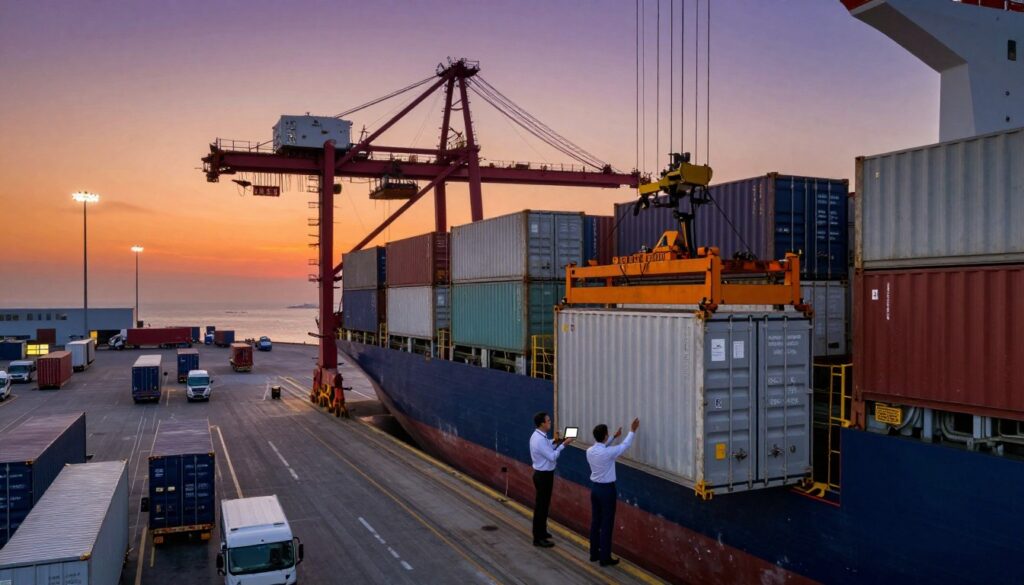
Managing Freight and Customs Clearance
Navigating international borders requires attention to detail and proper documentation. Working with an experienced freight forwarder is the best way to handle export logistics without unnecessary stress. They help ensure your paperwork, such as commercial invoices and packing lists, meets all US Customs and Border Protection requirements.
“The complexity of global trade is best managed by building strong relationships with logistics providers who understand the specific nuances of the Vietnam-US trade route.”
Proper classification of your goods under the Harmonized Tariff Schedule is vital to avoid delays. When your documentation is accurate, your shipments move through customs with minimal friction. This proactive approach prevents costly storage fees at the port.
Lead Times and Inventory Management Strategies
Understanding the transit time between Vietnam and the United States is the foundation of good planning. You must account for production time, ocean freight duration, and final inland delivery. Maintaining a buffer stock of essential components can protect your business from unexpected shipping delays.
Many successful companies use a hybrid approach to balance speed and cost. By combining sea freight for bulk orders and air freight for urgent needs, you keep your supply chain management flexible. The following table outlines the typical trade-offs between these two primary shipping methods.
| Shipping Method | Typical Transit Time | Cost Efficiency | Best Use Case |
|---|---|---|---|
| Ocean Freight | 25–40 Days | High | Large, routine orders |
| Air Freight | 3–7 Days | Low | Emergency stock replenishment |
| Combined (Sea/Air) | 15–20 Days | Medium | Balanced inventory needs |
Ultimately, export logistics is about consistency. By monitoring your lead times and adjusting your inventory levels, you ensure that your production line never stops. Staying organized allows you to focus on growth while your products travel safely across the ocean.
Cost Efficiency and Competitive Pricing Models
Achieving cost-effective manufacturing requires more than just low wages; it demands a deep commitment to operational excellence. Many businesses find that Vietnam provides the perfect environment to balance these two critical factors.
By streamlining production workflows, local factories ensure that every dollar spent contributes directly to the quality of the final product. This focus on efficiency allows companies to maintain competitive pricing while meeting rigorous international standards.
Labor Costs vs. Operational Excellence
While labor costs in Vietnam remain highly attractive compared to other global hubs, the true value lies in the operational maturity of the workforce. Skilled technicians and engineers work together to minimize waste and optimize material usage.
This approach to cost-effective manufacturing ensures that your budget is spent on high-quality materials and precision engineering rather than overhead. Factories often invest in advanced automation to further drive down costs and improve consistency across every unit produced.
Scalability for Small and Large Production Runs
Flexibility is a hallmark of the Vietnamese manufacturing sector, making it an ideal partner for businesses at any stage of growth. Whether you need a small batch for prototyping or a massive order for a national rollout, local facilities can adapt to your specific needs.
This scalability is a key component of cost-effective manufacturing, as it prevents companies from over-committing to inventory. You can start small to test the market and scale up production seamlessly as demand increases.
By choosing a partner that offers such agile production models, you protect your cash flow while ensuring your supply chain remains robust. This adaptability is why so many American firms are shifting their focus toward long-term collaborations in the region.
Building Long-Term Partnerships with Vietnamese Suppliers
Strategic sourcing in Vietnam requires more than just finding a factory; it demands a commitment to mutual growth and clear expectations. When you invest time in building a relationship, you create a foundation that supports consistent quality and long-term project success. A strong partnership often acts as a buffer against market volatility and supply chain disruptions.
Communication Best Practices
Effective communication is the bridge that connects your business goals with the technical reality on the factory floor. It is essential to establish clear channels for daily updates and project milestones. Using tools like project management software or regular video calls helps minimize misunderstandings caused by language or cultural differences.

Always confirm that your technical requirements are fully understood before production begins. Providing detailed documentation, such as CAD drawings and material specifications, prevents costly errors. Active listening and asking open-ended questions will help you gauge whether your partner truly grasps the nuances of your specific project needs.
Vetting Potential Manufacturing Partners
Before committing to a long-term contract, you must conduct a thorough evaluation of potential suppliers. Look for transparency in their business operations and a willingness to share information about their production capacity. A reliable partner should be open about their supply chain and provide clear documentation regarding their raw material sources.
Financial stability is another critical factor to consider during your strategic sourcing process. You want to ensure that your partner has the resources to scale production as your business grows. Additionally, verify their technical capabilities by requesting samples or visiting the facility to inspect their machinery and quality control protocols firsthand.
Conclusion
Vietnam offers a powerful path for companies seeking high-quality metal enclosures and cabinets. You gain a distinct edge in the United States market by tapping into local expertise and rigorous production standards.
Successful sourcing relies on your ability to integrate efficient logistics with reliable factory partners. These elements create a stable foundation for your supply chain. You can scale your operations while maintaining strict control over every unit produced.
Take the next step by vetting potential suppliers who align with your specific technical needs. Building a strong relationship with a Vietnamese manufacturer transforms your production goals into reality. Your business will benefit from consistent quality and competitive pricing models that support long-term growth.
View this region as a strategic partner for your future innovation efforts. Reach out to industry experts to start your journey toward optimized manufacturing today. Your commitment to these partnerships will drive success in a demanding global economy.
FAQs
Vietnam has rapidly evolved into a global manufacturing hub due to its strategic geographical location and a highly skilled, motivated workforce. By leveraging specialized industrial zones and favorable trade policies, US businesses can access custom metal housing solutions that offer a perfect balance of high precision and cost-effectiveness. Major global brands like Samsung and Foxconn have already established significant operations here, proving the region’s reliability in handling complex technical needs and industrial-scale projects.
Leave a Reply